

The “safe” move could be the one costing you most
Cash feels safe. Waiting feels safe. Holding feels safe. But this week’s issue looks at the quiet ways inflation, tax risk and investor bias may already be doing damage before most people notice it.
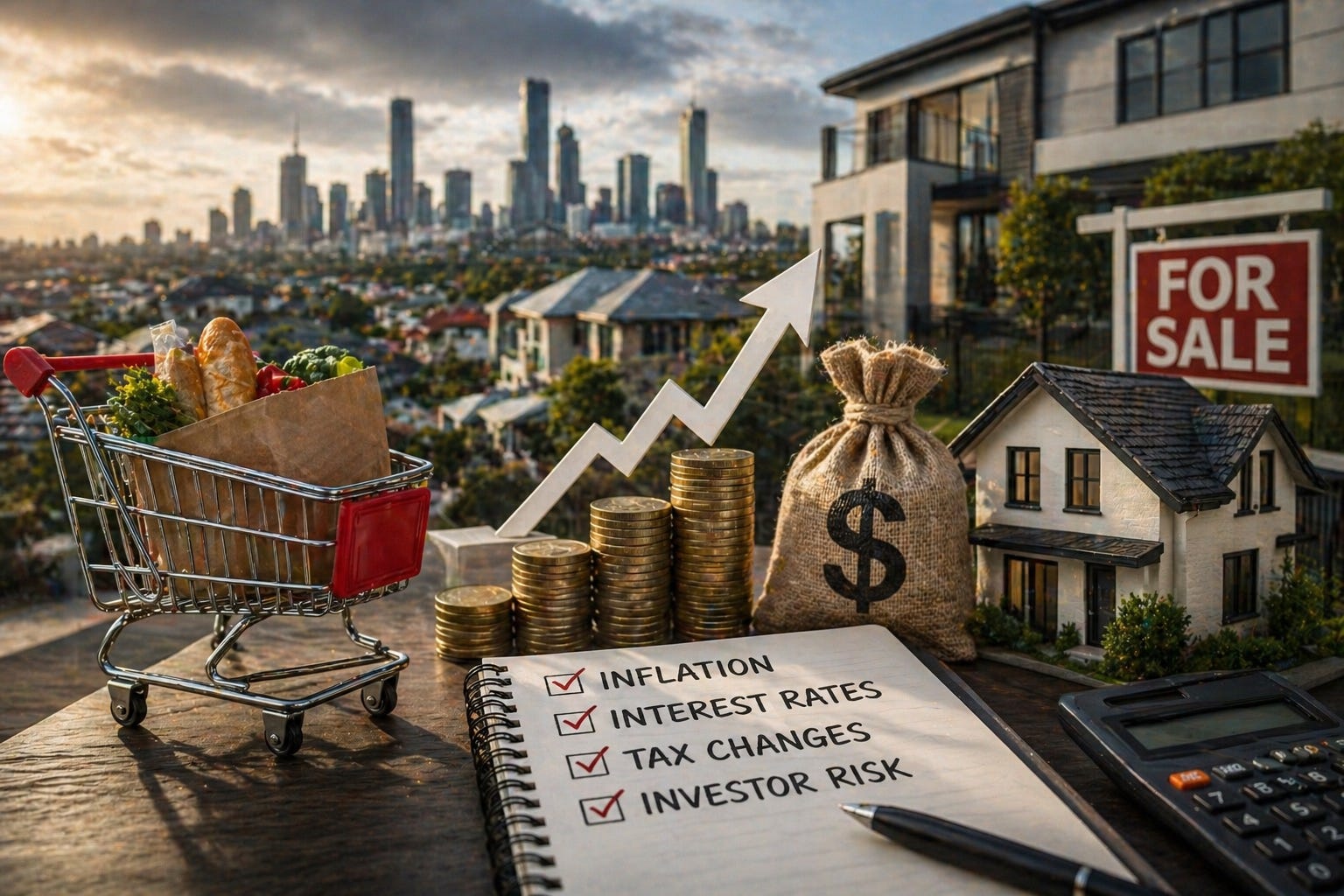
This week’s issue is about the kinds of decisions that look sensible on the surface — until the numbers start working against you. Inflation has pushed back above the RBA’s comfort zone, investors are rechecking old assumptions, and some “hold and wait” strategies are starting to look more expensive than they first seemed.
Cash feels safe. So why is it quietly going backwards again?
A lot of Australians have built up buffers in savings accounts, redraws and offsets. The uncomfortable question now is whether that cash is actually protecting them or just slowly losing value while inflation runs ahead. One detail in this piece matters more than most people think.
Read: Your Cash Buffer Is Quietly Losing Value Again
Most investors don’t lose money by being reckless. They lose it by feeling right.
This piece goes after the biases property investors rarely talk about: the suburb they trust too much, the story they won’t update, and the confidence that feels like experience until performance says otherwise. If a property decision has ever felt “obvious”, this one is worth reading.
Read: The Hidden Biases Quietly Costing Property Investors Money
The next rate problem may be worse than a simple hike.
The RBA is no longer dealing with a clean inflation problem. That is what makes this setup more dangerous for buyers, borrowers and investors. The big risk here is not just whether rates move — it is what happens if inflation stays sticky while growth slows.
Read: The RBA’s Inflation Trap Could Hit Property Harder Next
Victoria’s beach-house squeeze is changing who has the power.
Holiday homes on the Mornington Peninsula were once the kind of stock buyers chased hard and owners held tightly. Now higher land tax, weaker confidence and rising holding costs are starting to change the mood — and in some cases, the price. The interesting part is not that every property is suddenly cheap. It is where the pressure is starting to show.
Read: Holiday Home Owners Are Being Squeezed. Buyers Know It
Investors are rushing to check one tax question before the rules change.
Rate risk is familiar. Tax risk is different. This piece looks at why negative gearing and CGT uncertainty are already moving from politics into real household decisions before anything is even final. The key issue is not just what may change, but what investors can still do while the window is open.
Read: The Tax Shield Property Investors Are Rushing to Check
The common thread this week is simple: some of the biggest risks in property do not arrive looking dangerous. They arrive looking prudent, familiar or temporary — until the cost becomes harder to ignore.