

The pressure is spreading faster than the headlines
First-home buyers are thinner on buffer, borrowers are running out of easy moves, tax reform could hit more than investors, and the real housing squeeze is now showing up.
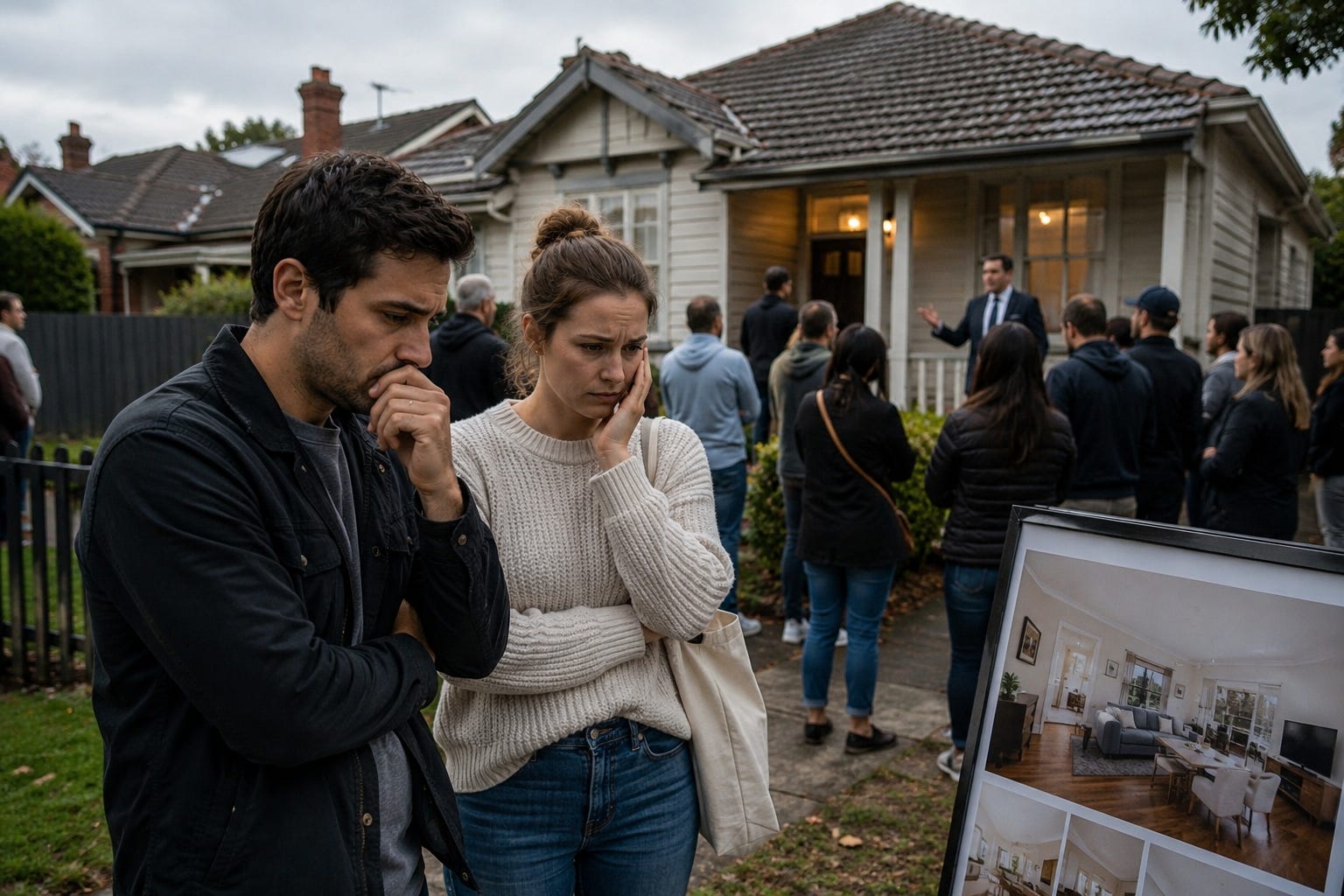
This week’s issue is about a housing market where the pressure is no longer sitting neatly in one place. It is spreading through household buffers, first-home buyer debt, suburb-level cashflow stress, rental politics and tax policy — often before the headline market fully shows it.
The deposit hurdle was the easy part. The real test starts after settlement.
Low-deposit buyers got in faster. Now some are discovering the harder bit is not buying the home — it is surviving the first year once the mortgage, bills and everyday costs all hit at once. One number in the arrears data is worth paying close attention to.
Read: First-Home Buyers Are Running Out of Breathing Room
Borrowers thought relief was coming. That story just broke.
The RBA has now taken the cash rate back to 4.35 per cent, and the tone suggests it is still more worried about inflation than mortgage pain. That leaves borrowers with a much less comfortable question than “when do rates fall?”
Read: Rate Pain Is Back, And Borrowers Are Running Out of Easy Moves
Read: RBA Flags More Rate Pain, But Jobs May Pay the Price
The real housing squeeze is showing up in cashflow, not just prices.
Auction results and price charts only tell part of the story. The more uncomfortable signal is what happens when mortgages, groceries, petrol, insurance and school costs all land together. In some suburbs, there is not much room left.
Read: The Suburb Stress Map Exposing Australia’s Housing Squeeze
A budget hit for landlords does not automatically mean a win for renters.
That is the trap in a lot of housing politics. Tax reform sounds clean in a speech. The real-world effects are messier: some landlords pay more, some investors stop buying, some hold longer, and renters do not necessarily come out ahead.
Read: Landlords face a budget squeeze, but renters may not win
Read: The Budget ‘Equity’ Push Could Burn Young Australians
Read: Labor’s Property Tax U-Turn Could Hit More Than Investors
Regional apartments were meant to be easy to ignore. Not anymore.
Cairns is a reminder that “regional” no longer automatically means second-tier. A new 72-apartment release has landed at a price point well below Brisbane’s median unit price after five years of effectively zero vacancy inside the building. That does not make it a sure thing. It does make the shift harder to dismiss.
Read: Why Regional Apartments Are Getting Harder to Ignore
Australia keeps saying it wants affordable housing while chasing bigger homes.
This one goes after a part of the affordability story that gets much less attention. Australian houses are still very large by global standards, even as sites have shrunk. The question is not just what homes cost. It is whether buyers are still trying to buy more house than the system can deliver cheaply.
Read: Australia’s Bigger Homes Are Quietly Making Housing Dearer
The common thread this week is simple: the housing strain is no longer a single-variable story. It is moving through buffers, behaviour, suburb-level stress, investor incentives and household trade-offs all at once.
Don’t stop here.
Listen to the Australian Property Review podcast
Follow us on X
Follow us on Instagram
Follow us on LinkedIn