

One tiny rate rise can change everything for property in 2026
A 0.25 per cent hike doesn’t just lift repayments, it hits confidence, cools demand and exposes investors with no buffer.
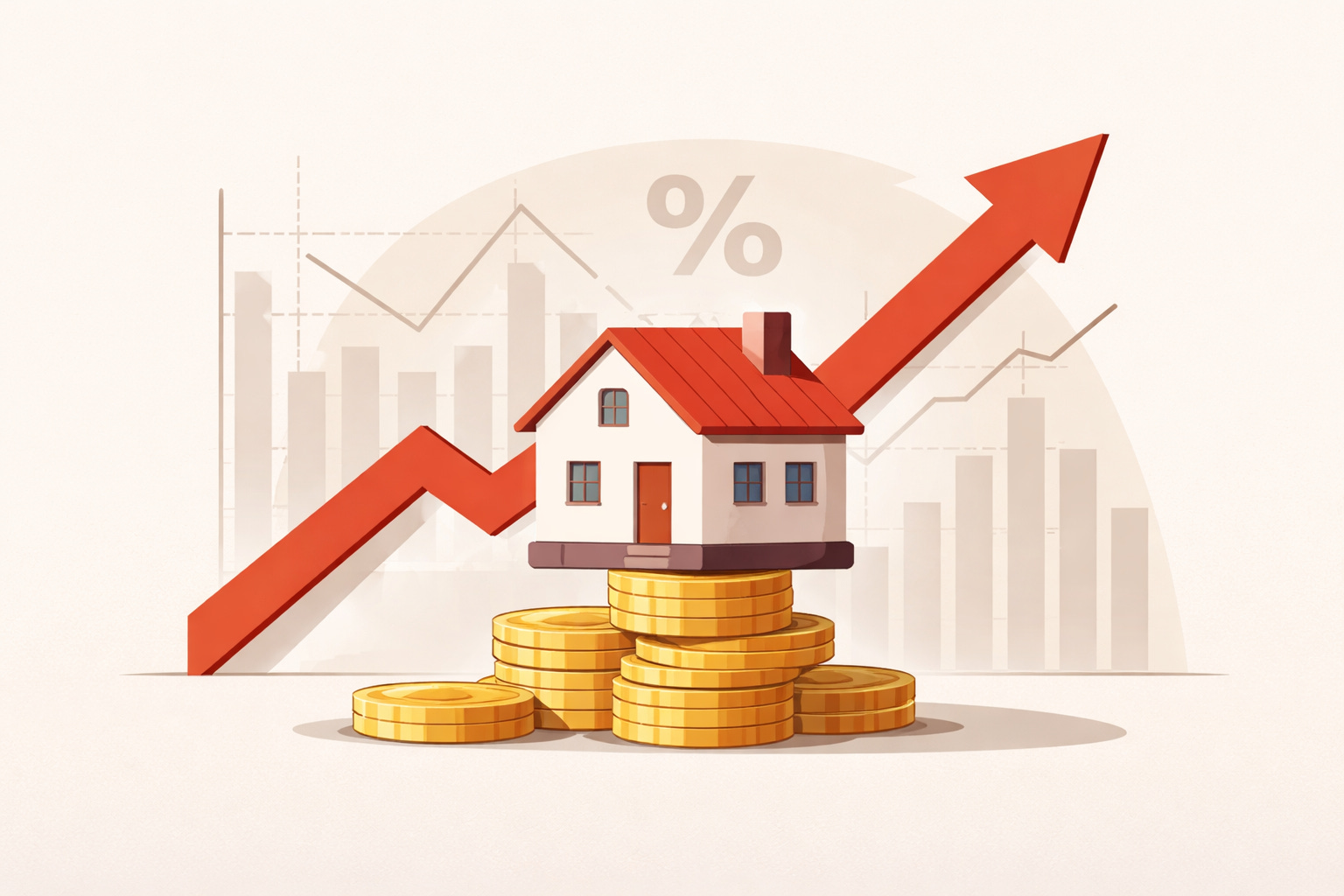
A quarter of a per cent doesn’t sound like much, the kind of number you’d barely notice on a calculator.
But in a property market, it can be enough to change the whole vibe.
When the Reserve Bank nudges rates higher, the impact isn’t limited to repayment tables. It shows up in conversations. It shows up at inspections. It shows up in the way buyers suddenly stop talking about what they want to do and start talking about what they can afford to do.
That’s why even a modest hike can cool a market faster than people expect. Not because it “crashes” prices overnight, but because it switches off the confidence that keeps momentum going.
And in 2026, confidence is the asset most investors are short on.
Confidence is the first thing that moves
Property isn’t like shares, where you can buy and sell in seconds. It’s slow, emotional, and expensive to get wrong, which means sentiment matters.
In 2025, plenty of buyers were operating on a comforting story: rates were close to the top, cuts were coming, rents would keep rising, and today’s pain would fade in a couple of years.
A small rate rise doesn’t just add cost. It attacks that story.
It turns “we can manage it for now” into “what if it gets worse?”. It pushes buyers to wait for more certainty. It makes investors think twice about taking on another loan. And when enough people hesitate at the same time, the market’s tempo changes.
Not necessarily down. Just slower. Pickier. Harder to predict week-to-week.
The squeeze doesn’t hit everyone equally
Rate rises don’t punish all investors the same way. They separate the market into two types of players.
The first group are the investors with buffer cash in offset, stable income, conservative assumptions, and numbers they’ve already stress-tested. They might not love higher rates, but they can live with them.
The second group are the investors who bought on optimism. The ones who stretched serviceability, assumed rates would fall, and planned to “sort it out later” with growth or higher rent.
In a rising-rate environment, that second group feels it first.
They’re the ones whose repayments jump while income stays flat. The ones who discover negative cash flow isn’t just a tax concept, it’s pressure, every month. The ones who can’t afford a few weeks of vacancy without it turning into a genuine problem.
That’s how a market becomes two-speed: not winners and losers overnight, but holders and forced sellers over time.
Borrowing power drops before prices do
One of the most underappreciated effects of rate rises is what happens before the sales data catches up.
Borrowing capacity shrinks. Lenders get stricter. Buyers who thought they had one budget suddenly have another. And investors who planned to “buy one more” realise the bank’s calculator doesn’t share their optimism.
This matters because property prices don’t just move on emotion. They move on credit.
When credit tightens, activity drops. When activity drops, the market starts to feel different, with fewer bidders, fewer rushed decisions, and more properties sitting for longer.
That’s where the shift begins.
Where opportunity actually appears in 2026
Here’s the twist: when the market cools, it doesn’t mean there’s no opportunity. It just means opportunity looks less like a green light and more like empty space.
Fewer competing buyers can create genuine advantages for investors with patience and process the ability to negotiate, to take time on due diligence, and to walk away from weak deals without panic.
In rate-pressure cycles, affordability tends to win. Buyers move down the price ladder because serviceability forces them to. Lower price points can stay competitive even when the broader market slows, simply because demand doesn’t disappear; it reshuffles.
Premium segments, on the other hand, can become more negotiable. The buyer pool thins faster at higher prices, and that can push vendors into reality: cleaner offers get taken seriously, days on market stretch, and negotiation matters again.
But the key isn’t chasing a bargain postcode.
It’s buying fundamentals that don’t rely on perfect conditions, locations with genuine owner-occupier appeal, steady demand drivers, and supply that can’t be turned on overnight.
The question smart investors ask now
When the mood turns uncertain, most people want forecasts. They want someone to tell them where rates are going and what prices will do next.
But the better question is simpler:
If I’m wrong, can I still hold?
That’s the difference between strategy and hope.
Because in 2026, the investors who win won’t be the ones who guessed perfectly. They’ll be the ones who built deals that survive average outcomes: rates staying higher for longer, rents not rising as fast as expected, and the occasional vacancy that actually happens in real life.
What to do if you’re buying this year
If you’re considering a purchase in 2026, the job isn’t to become a macroeconomist. It’s to stop relying on best-case scenarios.
That means stress-testing repayments above today’s rate, assuming vacancy, counting every real expense, and being honest about what cash you’ll have left after settlement — not what you hope you’ll save later.
If the deal only works when everything goes right, it’s not a deal. It’s a fragile plan that turns into pressure the moment conditions shift.
But if the numbers still work when things are ordinary, not perfect, you’re already ahead of most of the market.
The bottom line
A 0.25 per cent rise can feel small. But it can be big enough to change sentiment, slow activity, and expose anyone who bought without a buffer.
In 2026, the edge goes to investors who can hold: clear cash flow, realistic assumptions, and a strategy that survives uncertainty.
Because the market doesn’t reward the loudest opinions.
It rewards the people who can stay calm and stay standing when everyone else starts second-guessing.